Guides · Family Law
Dividing a Lake Simcoe Cottage in a Divorce
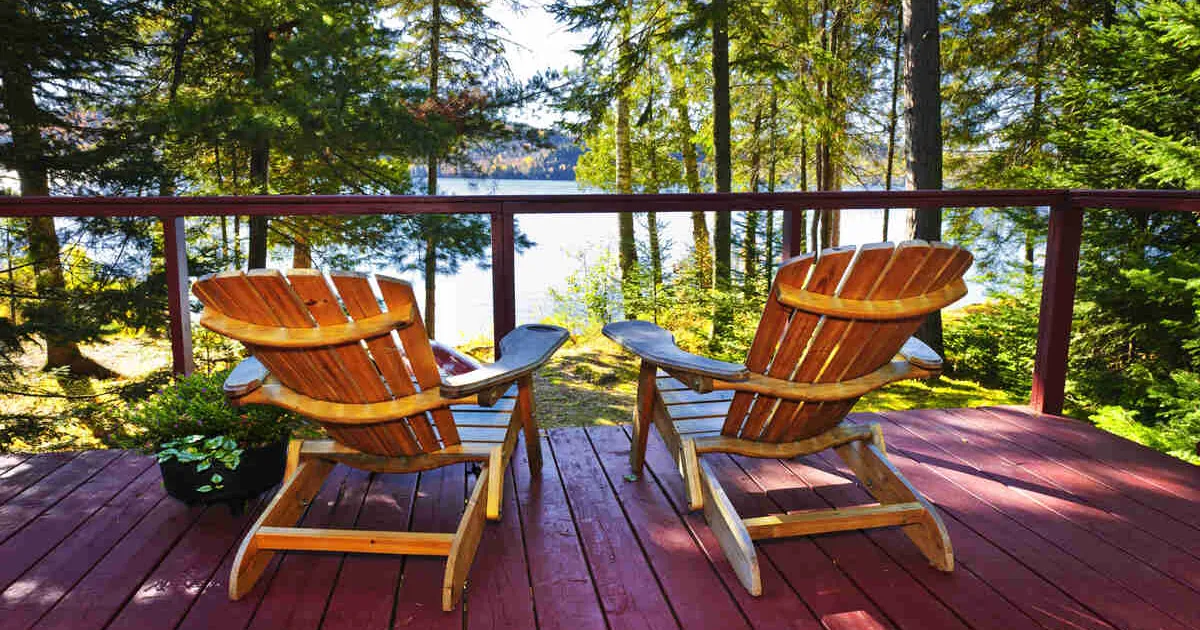
The family cottage on Lake Simcoe can count as a second matrimonial home, its full value shared even if one of you owned it first. How Ontario law treats it.
Lake Simcoe is ringed with cottages, and in a Barrie-area divorce the cottage is often the surprise. Most people assume that a place one spouse owned before the marriage, or inherited from a parent, stays with that spouse. Ontario law may not see it that way. If the family used the cottage as a residence, it can count as a second matrimonial home, and its full value can be shared. This guide explains when that happens, why it matters, and what to do about it.
Can you really have two matrimonial homes?
Yes. Under Ontario's Family Law Act, a matrimonial home is any property a married spouse has an interest in that the couple ordinarily occupied as their family residence at the time they separated. The test applies to every property that fits, so a family can have more than one matrimonial home at the same time. A cottage the two of you regularly used as a family retreat can qualify, even though it is seasonal and even though you also have a house in town. Whether a particular cottage counts is a question of fact, and it turns on how the family actually used it.
Why does that matter so much?
Because a matrimonial home is treated differently from every other asset, and not in the owner's favour. In an Ontario divorce you normally get to subtract the value of what you brought into the marriage, and to exclude gifts and inheritances you received during it. The matrimonial home is carved out of both of those protections. So if you owned the cottage before you married, or inherited it, and it became a matrimonial home, you do not get the usual deduction or the inheritance exclusion. Its full value at the date of separation goes into the pot to be shared, as though you had bought it together. The main way to change that result is a valid marriage contract signed before things went wrong.
Is an investment cottage treated the same way?
No, and the difference is worth understanding. A recreational property the family did not use as a residence, a pure rental or investment cottage, is an ordinary asset. It gets equalized in the normal way, which means the owner keeps the date-of-marriage deduction and any gift or inheritance exclusion. The dividing line is real family use as a residence at the time of separation, not the label on the property. Two identical cottages on the same bay can be treated very differently depending on how each family used them.
How is a waterfront property valued?
Carefully, and usually by a professional. For dividing property, the cottage is valued at its fair market value as of the valuation date, which is ordinarily the day you separated, not today. If that date is in the past, an appraiser prepares a retrospective valuation using the market as it was then. Waterfront is its own specialty. Value is driven by the frontage, the shoreline, water depth and usability, and whether access is seasonal or year round, and genuinely comparable sales are scarce. Do not guess at the number. A proper appraisal is what makes the equalization math defensible.
What if the cottage is outside Ontario?
It still counts, but the court's reach is limited. Ontario's property division is a money calculation, so the value of a cottage in another province or country is included in the equalization math. What an Ontario court generally cannot do is order a change of title to land outside its jurisdiction. Instead it values the property, includes that value, and orders an equalization payment. A cottage outside Ontario is also not a matrimonial home under Ontario's rules, so it does not get the special no-deduction treatment. This gets complicated fast, so confirm the details with a lawyer.
Getting advice
A separation with a cottage in it is a property-heavy case, and it rewards a lawyer who is comfortable with valuations and equalization, not just parenting. When you meet a firm, ask how they have handled a second property and whether they work with appraisers. In Barrie, Sage Law Group, a family-law firm in Simcoe County, is one example. You can browse the family-law firms in our Simcoe County directory, 81 as of September 2026, and shortlist a few to meet. For the wider picture, see hiring a divorce lawyer in Barrie and how to get a divorce in Ontario.
Family Law firms in Simcoe County

Sage Law Group, formerly AGS Professional Law Corporation, is a family law firm based in Barrie that serves clients across Ontario by phone, video, and in person. It handles divorce and separation, parenting arrangeme…
 Family Law
 Legal Aid
Bair Family Law is a family law firm in Barrie, Ontario, that practises family law exclusively. Led by senior lawyer Tessa Bair, its team of lawyers, paralegals, and law clerks handles divorce, separation, parenting, …
Family Law
Barriston Law (Barriston LLP) is a full-service law firm serving Central Ontario, with offices in Barrie, Collingwood, Bracebridge, and Huntsville. It practises across business and real estate law, wills and estates, …
 Business & Corporate Law
 Real Estate Law
 Wills, Estates & TrustsFamily Law
Baulke Stahr McNabb LLP is a full-service law firm in Collingwood, Ontario, serving the surrounding Georgian Bay area. It practises real estate, business law, wills and estates, employment, and litigation. The firm wo…
Real Estate LawBusiness & Corporate LawWills, Estates & Trusts Employment & Labour Law
Beeksma Law is an award-winning estate and commercial law practice founded in 2018 serving Ontario families and businesses. The firm operates remotely-first and technology-enabled across Hamilton, Port Elgin, Owen Sou…
Wills, Estates & Trusts Landlord & TenantBusiness & Corporate Law
 Civil Litigation & Dispute Resolution
Benjamin P. Nielsen, Barrister, Solicitor & Notary Public is a sole-practitioner law office in Barrie, Ontario. The practice covers family law, criminal defence, wills and estates, and immigration matters, and also pr…
Family Law Criminal DefenceWills, Estates & Trusts
 Immigration Law
Frequently asked questions
Is our cottage a matrimonial home?
Likely yes if you and your spouse ordinarily used it as a family residence at the time you separated, even if it is seasonal and even if only one of you owns it. It is a fact-specific question, so a lawyer will want to know how often and how the family actually used it.
I owned the cottage before we married. Isn't it still mine?
Not necessarily. If it became a matrimonial home, you lose the usual deduction for property you brought into the marriage, and its full value at separation is shared. Ownership on paper does not decide it.
Can I protect the cottage from division?
The reliable way is a valid marriage contract signed before a separation, which can set out how the cottage is treated. Once a separation is underway your options narrow, so talk to a lawyer early if the cottage matters to you.