How Canada's Law Firms Describe Themselves

Some firms tell you they are woman-owned, LGBTQ affirming, or accept legal aid. In our directory these signals are self-declared, which is exactly what makes them worth using.
When you look for a lawyer, some things matter beyond practice area and price. Whether the firm accepts legal aid. Whether it's woman-owned. Whether it'll meet you over video instead of across town. A growing number of firms say these things about themselves, and in the LawOnline directory we record only what a firm states outright, never a guess.
Virtual is already mainstream
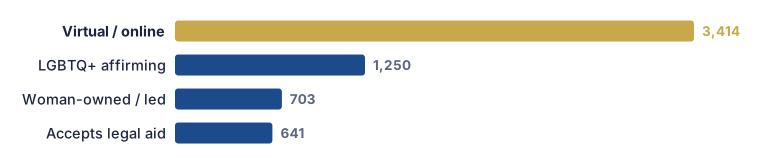
The most common self-declared attribute isn't about identity at all. It's about access. Some 3,414 firms, more than one in four, say they offer virtual, online, or phone appointments. What was a pandemic workaround has become a standing option, and it quietly solves a real problem for people who live far from a lawyer, work irregular hours, or can't easily travel.
Representation and access signals
Beyond the virtual door, firms flag who they are and who they serve. In our directory, 1,250 firms describe themselves as LGBTQ affirming, 703 as woman-owned or women-led, and 641 as accepting legal aid. Each is a minority of all firms, but each is a group you can actually find and choose from.
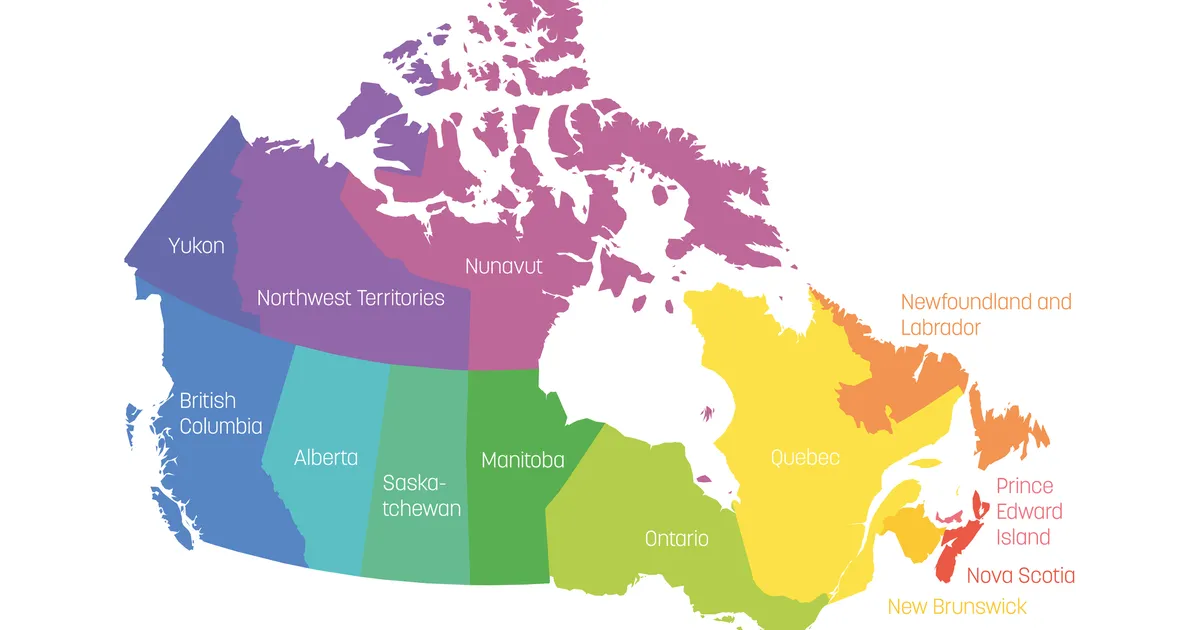
The woman-owned firms concentrate where the profession does. Ontario leads with 376, followed by British Columbia, Alberta, and Quebec, roughly tracking the overall distribution of firms across the country.
Why "self-declared" is the point, not a weakness
We never infer any of this. We don't guess a firm is woman-owned from a name, and we don't assume a firm is LGBTQ affirming because of where it is. A firm carries one of these labels only because it chose to say so on its own site or profile. That restraint is deliberate, and it's what makes the signal trustworthy. When a firm tells you it's women-led or that it welcomes LGBTQ clients, that's a statement it stands behind, not a label we pinned on it.
The flip side is that the counts are a floor. A firm that accepts legal aid but never mentions it won't appear in that group. So treat the absence of a label as "didn't say," not "doesn't." If one of these factors matters to you, the surest step is still to ask directly.
Using these signals in your search
Decide which factors are non-negotiable for you, then use them to narrow the field before you compare on experience and cost.
- If travel or scheduling is hard, prioritise firms that offer virtual appointments.
- If cost is the barrier, ask up front whether the firm takes legal aid, and check whether you qualify through your provincial plan.
- If being understood and comfortable matters for a sensitive matter, a firm's own statements about who it serves are a reasonable place to start, followed by a conversation.
When you're ready, you can start your search here and shortlist firms on the factors that matter to you.
Frequently asked questions
How do you know if a law firm is woman-owned or LGBTQ affirming?
We record these only when the firm states them itself, never by inference from a name or location. In our directory, 703 firms describe themselves as woman-owned or women-led and 1,250 as LGBTQ affirming, as of September 2026. Because it's self-declared, the true numbers are higher than what firms have chosen to publish.
How do I find a lawyer who accepts legal aid?
Look for firms that say they accept legal aid, then confirm your eligibility through your province's legal aid plan, since coverage and income limits vary. In our directory, 641 firms state that they accept legal aid, but many more may without advertising it, so it's worth asking directly.
What does it mean that a firm offers virtual appointments?
It means the firm will meet with you by video or phone rather than requiring an in-person visit. More than a quarter of firms in our directory, 3,414 of them, say they offer this, which makes it easier to work with a lawyer who isn't nearby or to fit legal help around a busy schedule.